How Atlanta Drivers Can Choose the Right Rideshare Rental Based on Their Driving Goals
Choosing a Rideshare Rental should begin with one practical question: what do you want the vehicle to help you accomplish? Some Atlanta drivers want full-time income, others need a temporary car during repairs, and some only plan to drive weekends. The right rental depends on schedule, mileage, budget, platform use, and the level of support needed to stay active.
Start With the Goal Behind the Rental
Drivers often compare weekly prices before defining how they will use the car. That can lead to a plan that looks affordable but does not fit the actual workload.
A better approach is to identify the main goal first. Common goals include:
Starting rideshare work without buying a car
Replacing a personal vehicle during repairs
Driving full time across metro Atlanta
Working only evenings or weekends
Testing Uber or Lyft before making a long-term commitment
Protecting a personal car from heavy mileage
Using one vehicle for approved rideshare and personal trips
Drivers researching Rideshare Atlanta, GA options should rank these priorities before speaking with a provider.
Match Full-Time Driving With High-Use Features
Full-time drivers usually need a plan built for frequent use. They may work commuter hours, airport demand, business travel, weekends, and late-night events.
Unlimited Mileage Matters More at Higher Volume
A driver covering routes between Downtown Atlanta, Hartsfield-Jackson Atlanta International Airport, Sandy Springs, Marietta, Decatur, and Lawrenceville can accumulate miles quickly.
Unlimited mileage helps full-time drivers avoid per-mile penalties and accept longer trips without constantly checking a weekly cap. When comparing rideshare rental companies, confirm whether unlimited mileage applies every week and whether personal or out-of-state use has separate restrictions.
Maintenance Must Fit an Active Schedule
High-use vehicles need routine attention. Ask where oil changes, tire service, brake inspections, and battery checks are completed. The provider should also explain how dashboard warnings or mechanical concerns are reported.
A rental with unclear maintenance procedures may create more downtime than a full-time driver can afford.
Choose Part-Time Rentals by Break-Even Potential
Part-time drivers should focus less on total mileage and more on whether available driving hours can cover the fixed weekly payment.
Build a Realistic Weekly Estimate
Add the rental payment, fuel, tolls, parking, and other operating expenses. Then estimate expected revenue using realistic hours rather than an unusually strong week.
A Cheap Rideshare Rental may still be too expensive if the driver only works a few low-demand hours. A higher-value plan may make sense when the driver can concentrate work around airport runs, weekend nightlife, sporting events, concerts, or commuter peaks.
Part-time drivers should know the approximate number of trips or hours needed to reach break-even before accepting the vehicle.
Use a Temporary Rental to Protect Continuity
A driver whose personal car is being repaired may not need a long-term arrangement. In that situation, flexibility and quick access may matter more than vehicle variety.
Look for:
Weekly renewals
Straightforward cancellation
Delivery and pickup
Clear return procedures
No long commitment
Responsive support
A rental for uber and lyft can help preserve income while a personal vehicle is unavailable, but drivers should confirm how quickly the plan can end once repairs are complete.
Consider the Value of Avoiding Vehicle Ownership
Some drivers rent because they are not ready to finance a car. This can be a strategic choice when credit, down-payment requirements, maintenance risk, or long-term uncertainty make ownership less attractive.
A weekly rental may combine vehicle access, insurance, maintenance, and roadside support into one recurring expense. That can make short-term budgeting easier, although it does not build vehicle ownership.
Drivers searching for Atlanta, GA Cheapest Rideshare Rental should compare the weekly payment with the cost of financing, insurance, repairs, registration, and depreciation.
The same applies to Cheapest Rideshare Rental Atlanta, GA searches. The lowest rental rate is not automatically the best financial decision; the full ownership alternative should also be considered.
Align the Vehicle With the Platform
Not every available car is suitable for every driving goal. A driver planning passenger trips should confirm that the vehicle meets the relevant platform requirements.
Ask about:
Vehicle year and condition
Registration
Insurance documents
Passenger capacity
Inspection requirements
Platform compatibility
Additional driver rules
Professional rentals for lyft drivers should provide clear information about the vehicle and available documentation. Uber drivers need the same level of transparency.
Decide How Much Convenience Is Worth
Convenience can affect how quickly a driver begins and how easily the rental fits into the week.
Someone searching for Rideshare Rental Near Me should compare:
Delivery coverage
Pickup options
Response time
Support hours
Maintenance locations
Return flexibility
Service across surrounding communities
Factor in Atlanta Driving Conditions
Atlanta’s traffic and geography can influence which rental features matter most.
A driver working airport routes may value toll readiness and 24/7 roadside support. Someone serving suburban areas may prioritize unlimited mileage and fuel efficiency. A weekend driver may care more about flexible renewal and a lower break-even point.
Heavy traffic on Interstate 75, Interstate 85, Interstate 285, and the Downtown Connector can increase fuel use and trip time. The rental plan should support the actual areas and hours the driver expects to cover.
Use a Goal-Based Comparison Method
Instead of asking which rental is “best,” compare plans by how well they support your specific goal.
For Full-Time Income
Prioritize unlimited mileage, maintenance, breakdown coverage, and reliable support.
For Temporary Replacement
Prioritize quick delivery, weekly flexibility, and simple return terms.
For Part-Time Driving
Prioritize a manageable weekly rate and realistic break-even potential.
For Testing Gig Work
Prioritize low commitment, clear cancellation, and platform-ready documentation.
For Protecting a Personal Vehicle
Prioritize dependable availability, mileage freedom, and included maintenance.
Frequently Asked Questions
What Is the Best Rental for a New Driver?
The best option is one with clear terms, platform-ready documents, manageable weekly cost, and responsive support. New drivers should avoid long commitments until they understand their preferred schedule.
Should Full-Time Drivers Always Choose Unlimited Mileage?
Usually, unlimited mileage offers useful flexibility. However, drivers should compare the total weekly package, vehicle condition, maintenance, and support.
Can a Part-Time Driver Still Benefit From a Weekly Rental?
Yes, when expected earnings comfortably exceed rental and operating costs. Concentrating work during higher-demand periods may improve the numbers.
Is the Cheapest Plan Usually the Best?
No. The strongest value comes from transparent pricing and useful inclusions, not simply the lowest advertised rate.
Choose the Plan That Fits the Work You Actually Want
The right rideshare rental should support your real schedule, income target, mileage, and level of commitment. Drivers make better decisions when they define the goal first and compare each plan against that goal.
Move a Lot Auto Services helps Atlanta-area drivers access rideshare-ready vehicles through a straightforward process. Available features include no deposit, unlimited miles, insurance, maintenance, breakdown coverage, 24/7 roadside assistance, toll road readiness, additional driver options, and vehicle delivery and pickup.
Weekly plans start at $350 and up, subject to vehicle availability and rental terms. Contact Move a Lot Auto Services to review current options and select a plan built around your driving goals.
Move a Lot Auto Services
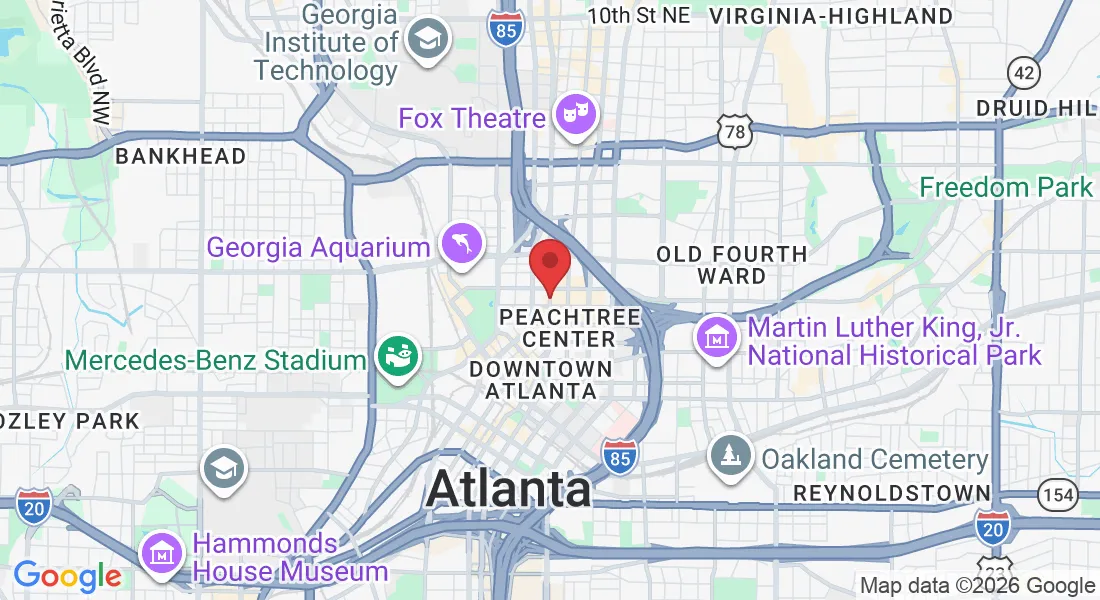
260 Peachtree St NW, Suite 2200 Atlanta, GA 30303
Phone: +1 (888) 812-7558


Move a lot Auto Services helps Atlanta drivers get into the right rideshare-ready vehicle with a simple process and responsive support. If you’re searching for a rideshare rental near you that feels reliable from the first conversation, we’re here to help you take the next step.
Business Hours
6:00 AM – 11:00 PM
Monday-Sunday