Weekly Rideshare Rentals in Atlanta, GA: Common Mistakes Drivers Should Avoid Before Booking
A weekly Rideshare Rental can be a practical way to start driving, replace an unavailable vehicle, or avoid buying a car before you are ready. However, drivers can create expensive problems when they book too quickly, focus only on the advertised rate, or overlook the terms that affect daily use. In Atlanta, where long routes, airport trips, congestion, and suburban demand can increase mileage and operating costs, preparation matters.
Mistake 1: Booking Before Defining Your Driving Plan
The wrong rental often begins with an unclear goal. A full-time driver, weekend driver, and temporary replacement driver may need very different terms.
Before contacting a provider, decide:
How many hours you expect to drive
Which platforms you plan to use
Whether you need personal-use access
How long you may need the vehicle
Which parts of metro Atlanta you expect to serve
How much weekly revenue you realistically expect
Drivers researching Rideshare Atlanta, GA should match the rental to their actual schedule instead of choosing a plan based only on availability.
Mistake 2: Looking Only at the Weekly Rate
A low advertised payment may not include insurance, mileage, taxes, maintenance, delivery, roadside support, or administrative fees.
A Cheap Rideshare Rental is only affordable when the total weekly cost remains manageable after every required charge is included.
Ask for a breakdown covering:
Base weekly payment
Deposit
Insurance
Mileage charges
Delivery and pickup
Taxes
Processing fees
Late payment penalties
Additional driver costs
Toll administration
Searches for Atlanta, GA Cheapest Rideshare Rental and Cheapest Rideshare Rental Atlanta, GA often prioritize the lowest headline figure. The better comparison is the final amount paid for a reliable, usable vehicle.
Mistake 3: Assuming Every Rental Works for Uber and Lyft
A standard rental car may not be permitted for platform driving. Before paying, confirm that the vehicle is suitable for the intended use and that the provider supplies the available documentation.
A proper rental for uber and lyft should have registration, appropriate insurance information, a passenger area, working safety equipment, and platform-compatible vehicle details.
Drivers should also verify their own account status. Renting a car does not replace background checks, identity verification, or platform approval.
Mistake 4: Ignoring Mileage Rules
Atlanta drivers can cover considerable distance in one shift. A morning may begin in Decatur, continue to Hartsfield-Jackson Atlanta International Airport, move toward Buckhead, and end in Marietta or Sandy Springs.
A mileage cap can reduce the profitability of longer trips. Before booking, ask whether mileage is unlimited, whether personal driving is included, and whether travel outside Georgia is restricted.
When comparing rideshare rental companies, request the mileage policy in writing. Verbal explanations are difficult to rely on if a billing disagreement appears later.
Mistake 5: Skipping the Insurance Questions
Insurance terms should never be assumed. Drivers need to know what coverage is included, when it applies, and what responsibilities remain with the renter.
Ask:
Is rideshare activity covered?
What deductible applies after a collision?
Is personal driving permitted?
Are additional drivers covered?
How must an accident be reported?
Are towing and storage included?
What exclusions apply?
Unclear insurance can create financial risk far greater than the weekly rental payment.
Mistake 6: Overestimating Weekly Earnings
Some drivers calculate affordability using their best possible week rather than a realistic average. That can make a rental look easier to cover than it actually is.
Estimate income using expected hours, likely demand, fuel costs, tolls, parking, and slower periods. Then calculate how much must be earned before take-home income begins.
Part-time drivers should be especially careful. A fixed weekly payment stays the same even when driving hours fall.
Mistake 7: Overlooking Maintenance Procedures
Maintenance directly affects availability. Drivers should know who handles oil changes, tire concerns, brake issues, warning lights, batteries, and mechanical repairs.
Professional rentals for lyft drivers should include a clear service process. Ask where maintenance is completed, whether appointments are required, and what happens if the vehicle needs an extended repair.
Do not authorize repairs without approval unless the rental agreement clearly permits it.
Mistake 8: Failing to Ask About Breakdown Support
Vehicle trouble can happen before sunrise, after midnight, or during weekend demand. Drivers need a clear response plan before the first shift.
Confirm whether 24/7 roadside assistance includes:
Towing
Battery jump-starts
Lockout help
Flat-tire assistance
Mechanical breakdown response
Save the roadside number, maintenance contact, and rental account information in your phone.
Mistake 9: Choosing by Distance Alone
Searching for Rideshare Rental Near Me may produce nearby providers, but location does not always equal convenience.
Compare delivery coverage, pickup scheduling, support hours, maintenance locations, response times, and return procedures. A provider farther away may be easier to use when it offers vehicle delivery across Atlanta and surrounding communities.
Drivers in College Park, East Point, Brookhaven, South Fulton, Stone Mountain, or Lawrenceville should confirm whether their location is within the service area.
Mistake 10: Signing Without Reading Return Terms
Many drivers focus on receiving the car and ignore what happens when the rental ends.
Review:
Cancellation notice
Renewal timing
Fuel requirements
Cleaning expectations
Late return fees
Damage inspection
Toll reconciliation
Pickup scheduling
Personal-item removal
Take photos at both pickup and return. Documentation can help resolve disagreements about condition, fuel, or existing damage.
Mistake 11: Not Inspecting the Vehicle
Never assume the vehicle is ready simply because it has been delivered.
Check the tires, lights, mirrors, windshield, seat belts, air conditioning, locks, windows, charging ports, fuel level, and dashboard. Report scratches, dents, stains, warning lights, or unusual sounds immediately.
A clean inspection protects the driver and confirms the car is suitable for passenger service.
Mistake 12: Ignoring Customer Support Quality
Customer service becomes most important after the rental begins. Drivers may need help with payments, maintenance, tolls, extensions, roadside issues, or returns.
Pay attention to how clearly the provider answers questions before booking. Slow, inconsistent, or evasive communication may signal future problems.
Frequently Asked Questions
Should I Book the Lowest-Priced Weekly Rental?
Not automatically. Compare insurance, mileage, maintenance, roadside assistance, support, and cancellation terms before deciding.
Is Unlimited Mileage Always Necessary?
It depends on your schedule, but it can be valuable for airport, suburban, and full-time driving.
Can I Cancel a Weekly Rental at Any Time?
Policies vary. Confirm notice requirements, payment deadlines, and return rules in writing.
What Should I Bring When Receiving the Vehicle?
Bring identification, required payment information, and any documents requested by the provider. Review the agreement and inspect the car before accepting it.
Book With Fewer Surprises
The best weekly rental is not simply the first available option. It is the plan that fits your driving schedule, explains every cost, supports high mileage, and provides help when the vehicle needs attention.
Move a Lot Auto Services offers rideshare-ready vehicles with no deposit, unlimited miles, insurance, maintenance, breakdown coverage, 24/7 roadside assistance, toll road readiness, additional driver options, and vehicle delivery and pickup.
Weekly plans start at $350 and up, subject to availability and rental terms. Contact Move a Lot Auto Services to review current options and book with clearer expectations.
Move a Lot Auto Services
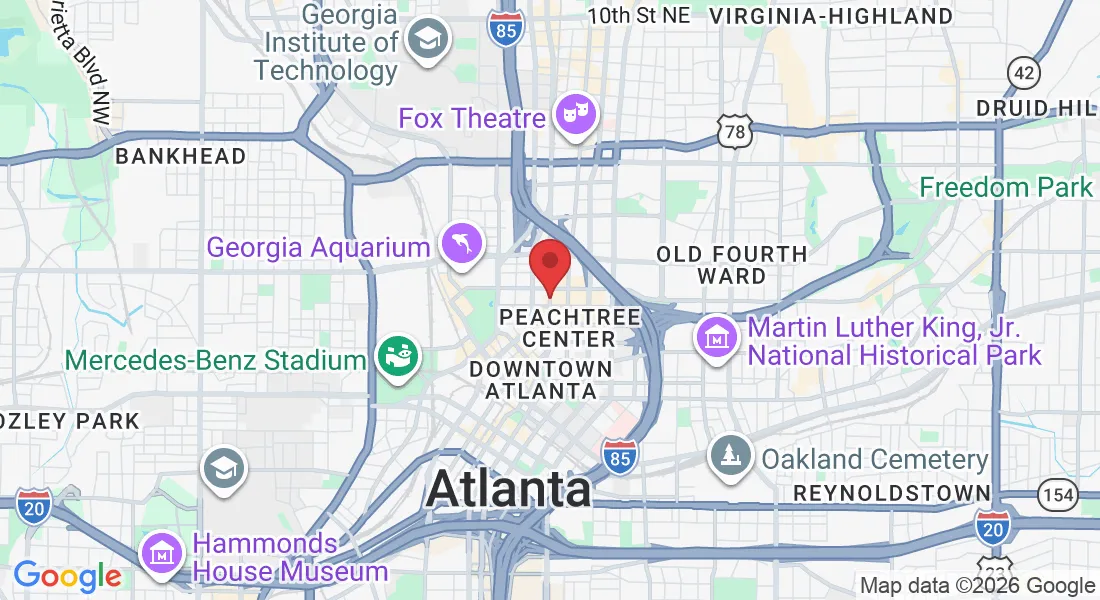
260 Peachtree St NW, Suite 2200 Atlanta, GA 30303
Phone: +1 (888) 812-7558


Move a lot Auto Services helps Atlanta drivers get into the right rideshare-ready vehicle with a simple process and responsive support. If you’re searching for a rideshare rental near you that feels reliable from the first conversation, we’re here to help you take the next step.
Business Hours
6:00 AM – 11:00 PM
Monday-Sunday